
Adri's Portfolio
Ap Psychology- Reynolds
let's go!!
Hey!
i'm Adri!
Hi! I'm Adri! I value kindness, empathy, and creativity! I strive to have an open mindset toward everyone, and I try to work hard in everything that I do.
I chose to take this class because I've always been interested in psychology, and wanted to dive deeper!
I love to find out why people do the things that they do, and what we can do to better understand ourselves
and others!

Let's Get Started
Unit one
Social Psychology
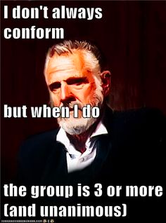
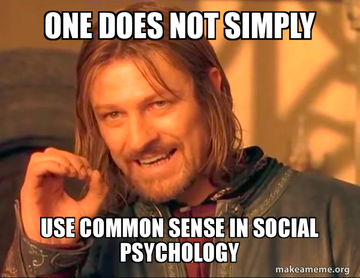
What is social psych?
Social psychology is the study of the way thoughts and behaviors are influenced by real or imagined behavior or characteristics of other people

Main Topics
Social psychologists study how forces outside of our awareness explain our actions! They view behavior through a variety of lenses and approaches!
Social psych discusses the types of attribution, or how we explain others' behavior, as well as the biases that may influence this attribution. The unit then goes on to discuss attitudes, and how our beliefs and schemas influence how we perceive the world around us. We also learn about stereotypes and persuasion routes. We discover how culture affects our values, and why humans want to conform. We then take a wider lens, discussing group psych and the different ways people interact with each other. We talk about prejudice, polarization, and sociocultural factors! The unit then finishes up with a discussion about two important social psych studies; the Stanford Prison experiment and the Robbers Cave experiment.
Experiments in Group Psych!
Diving deeper...
Subfeild reasearch
An important subfield of social psych is group psychology!
Group psychology
group psych focuses on:
how two or more people influence each other's behavior. zooms in on group dynamics and how they function within different societies and age groups.
How it differs from other subfields:
group psych discusses the behavior of people in the presence of other people, while other subfields just focus on the individual.
Robbers Cave Experiment
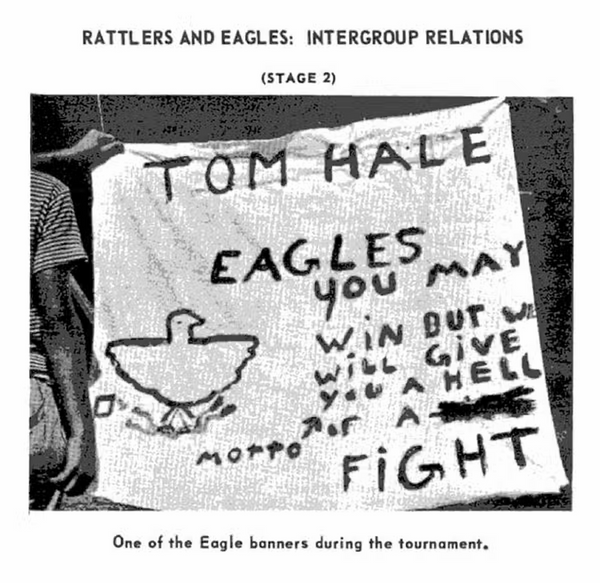
The robbers cave experiment was a study that observed how behavior changes when groups are pitted against each other.
A group of researchers gathered a group of reasonably homogenous 11-year-old boys and made them compete in teams against each other. Quickly, hostility developed. between the groups, and eventually, they were forced to put aside their differences and work together to solve problems that affected the collective.
The reasechers discovered that the only way that the boys were able to overcome their hostility against each other was when they were forced to work together to solve an issue that affected all of them.
I chose this because it is a wonderful example of group psych; how people interact and change in large groups.

Personal Connections
Group projects
Social psych concepts are strongly displayed in my personal life when I am assigned group projects in school. I observe lots of social psych theories, one of these is social loafing; when my classmates display less effort in a big group.
Bullying
I have observed the bystander effect in bullying. I have noticed that though people think something is wrong, they are a lot less likely to stand up for a victim when in a large group.
Unit two
Biological Psychology
What is BIo psych?
Biological psychology is the study of the way physiological factors affect our psychological processes.
Main Topics
Biopsychology studies how biology, like the nervous system, genes, and hormones, affect behavior and mental processes. It covers topics such as brain function, genetics and behavior, and the mind-body connection. Understanding the biological basis of behavior can help improve treatments for
mental health disorders.
Experiments in Bio Psych!
Diving deeper...
Subfeild reasearch
The seven perspectives of psychology are viewpoints we use to analyze behavior
the seven perspectives
the seven perspectives focus on:
There are various perspectives on behavior shaping. Biology focuses on genetics and physiology, behaviorism on learned behaviors, cognition on mental processes, humanism on unique experiences and free will, psychodynamics on unconscious thoughts and early experiences, evolution on adaptation, and SOCIOCULTURAL on social and environmental factors.
how biopsych differs from other SUBFIELDS:
Biopsychology uses scientific methods to understand the brain and its functions, including the study of genetics, nervous system, hormones, and other biological factors that contribute to behavior, where other types focus primarily on behavior or cognition
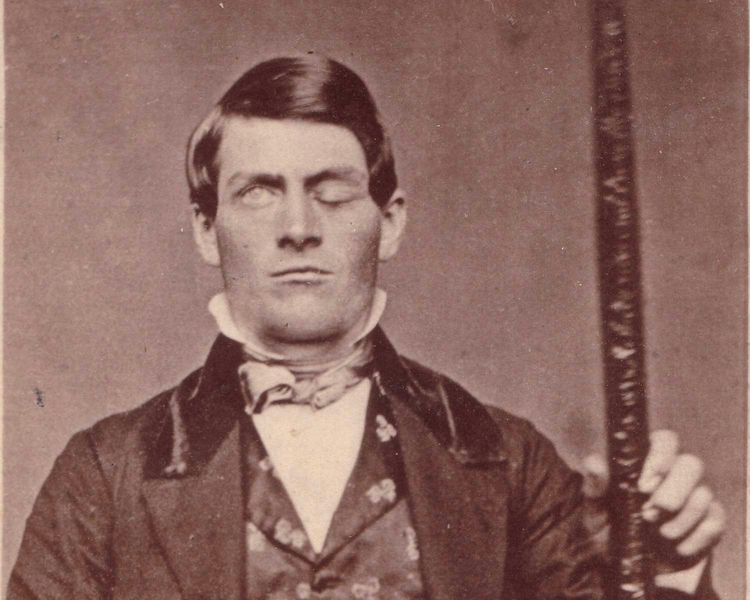
Phineas Gage
The case of Phineas Gage:
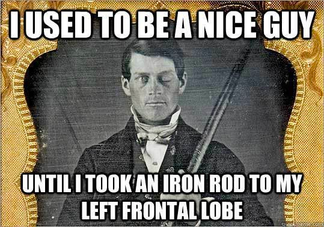
Gage was a railroad construction foreman in 1848 who survived a traumatic brain injury after an iron rod blasted through his skull and brain, damaging his left frontal lobe.
Methodology:
Researchers tested gage's behavior while he was alive, as well as post-mortem, and determined that the iron rod damaged his prefrontal cortex, which affects social behavior, planning, and decision-making.
Why I chose this:
I chose this because this case has contributed significantly to understanding brain function and injury.

Personal Connections
ADHD
CPTSD
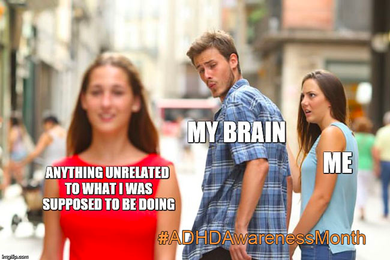
When studying ADHD, biological focused scientists and psychologists study the genetic, neurological, and hormonal factors that contribute to symptoms and behaviors.
This can include examining differences in brain structure and function, as well as disruptions in neurotransmitter systems.
Biopsychologists can investigate how exposure to traumatic events change the brain and body, including changes in brain function and biochemical imbalances.
These can contribute to emotional dysregulation and other symptoms cna contribute to CPTSD.

Unit three
Memory/Learning
What is the memory and learning unit?
Biological psychology is the study of the way physiological factors affect our psychological processes.
Main Topics
The AP Psychology unit on memory and learning explores how we acquire, store, and retrieve information. It covers topics such as the stages of memory, the different types of memory, the processes of encoding and retrieval, forgetting, and factors that impact memory like attention and emotional arousal. The unit also delves into cognitive theories of learning, including classical and operant conditioning, social and observational learning, and how reinforcement shapes behavior.
Diving deeper...
Subfeild reasearch
An important subfield of memory and learning is conditioning!
conditioning is:
Learning and modifying behavior through rewards and consequences is the base of what CONDITIONING is about! If we do something that results in a reward, we're more likely to repeat that action again. On the other hand, if we do something that leads to punishment, we're less likely to do it again. Additionally, when we're exposed to certain sounds or objects before positive or negative events, we can create a learned association between the two.
The Pavlov Experiment
The Pavlov Experiment:
In Pavlov's experiment with dogs, he repeatedly rang a bell before feeding them. Eventually, the dogs started to associate the sound of the bell with being fed and would start to drool at the sound of the bell alone, even if there was no food present.
Pavlov's experiment was like teaching a dog a new trick: you repeatedly use a certain signal before giving them a treat, and eventually, they learn to associate the signal with getting a treat.
Why I chose this:
The Pavlov experiment is an Iconic experiment in the world of memory and learning, and helped psychologists understand conditioning.



Personal Connections
School
A personal experience with memory and learning is my behavior in school. When I'm in school, i'm conditioned to do my work and take notes, while when i'm at home, I do more personal hobbies and act a lot more goofy and less focused.
A personal experience that relates to memory is my recall of childhood memories. I have a much more difficult time recalling memories from a long time ago due to memory decay;.
Childhood memories


Little do I know I won't remember any of this...
Unit four
Personalilty
What is personality in psychology?
Personality in psychology studies how psychological differences affect behavior and reactions in various situations, providing a deeper understanding of human nature.
Main Topics
In this unit, we study personality traits and what shapes them, including genetics, environment, and experiences.
We also explore how personality affects behavior and relationships, using theories and assessments. It helps us understand ourselves and others better.
Diving deeper...
Subfeild reasearch
An important subfield of personality is the big five personality traits!
the big five traits are:
Psychologists use the Big Five personality traits to measure different aspects of an individual's personality. These traits include Openness, Conscientiousness, Extraversion, Agreeableness, and Neuroticism. Openness measures open-mindedness and creativity, Conscientiousness measures organization and responsibility, Extraversion measures sociability, Agreeableness measures kindness, and Neuroticism measures emotional stability.
Personality Tests
Personality tests come in various forms, such as self-report questionnaires, projective tests, and behavioral assessments. They provide useful insights into an individual's personality and behavior, and therapists often use them as guidance.
How do they work?
Participants answer questions about themself, and recive insights about their personality such as strengths and weaknesses. Examples of these tests are things like the MBTI test and the ennegram.
Why I chose this:
I chose this because personality tests are a large subfield of reaserch under the category of personality. it helps us with guidence about ourselfves, and to understand our psyche more closely.
Personal Connections
MBTI Test
The MBTI test has helped me understand my personality a lot better!
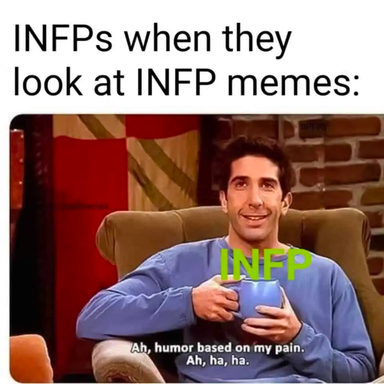
I got INPF on the test and I learned a lot about my type and related to a lot of the information i found. I've bonded with others over our personality types and grown as a person because of my reaserch.
Ennegram
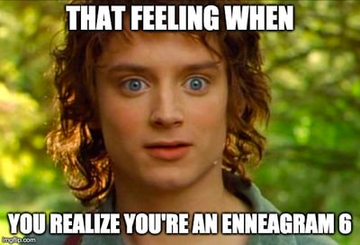
Similar to my experience with the MBTI test, the ennegram test has also helped me learn a lot about myself. I am a 6w7 and I listen to podcasts about my type! Knowing my type has really helped me conquor some of my fears and learn more about why I do the things I do.
Unit five
Cognition
What IS cognition in psychology?

Main Topics
the cognition unit focuses on how we perceive, process, and use information. Some main topics include perception, memory, and problem-solving. Attention covers how we selectively attend to certain stimuli while disregarding others. Perception covers how we organize and interpret sensory information. Memory covers how we encode, store, and retrieve information. Finally, problem-solving covers how we use reasoning and critical thinking to solve problems and make decisions. Understanding these topics can help us improve our cognitive abilities and enhance our learning and problem-solving skills.
Diving deeper...
Subfeild reasearch
An important subfield of cognition is brain imaging!
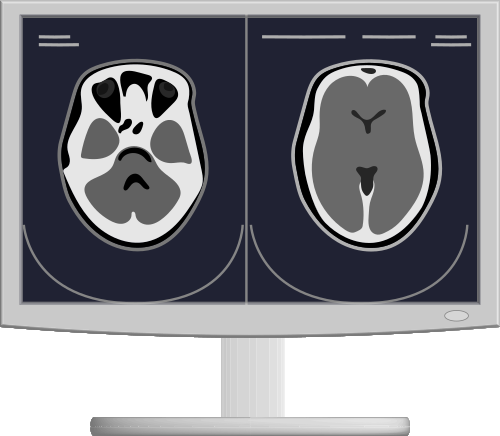
brain imaging is:
Brain imaging uses CT, MRI, and PET scans to analyze the brain's structure and function, and identify abnormal activity in conditions like schizophrenia and depression. This helps psychologists develop new treatments and study the effects of drugs on the brain.
Elizabeth Loftus's experiment
Elizabeth Loftus conducted an experiment that demonstrated how questions can impact our memory.
Participants were shown a video of a car accident and later asked questions using varying words. Those who were asked a question containing the word "smashed" recalled broken glass, even though none was present in the video. This experiment highlights how easily our memory can be swayed and stresses the importance of being cautious when interpreting people's recollections.
I chose this as my example because it is an important representation of the malliability of cognitive function!
Personal Connections
Sense Adaptation
MRI
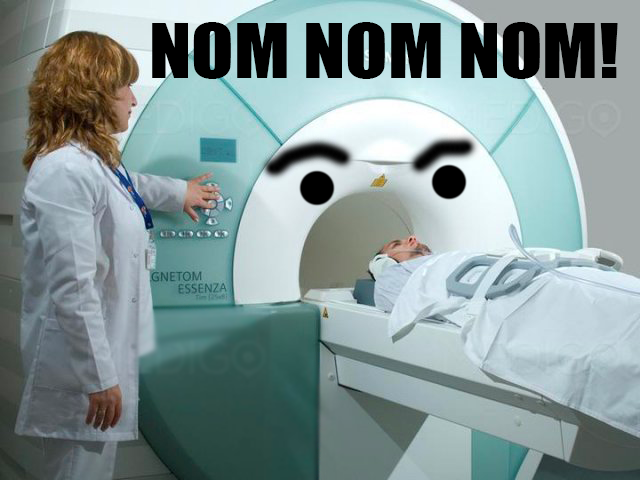
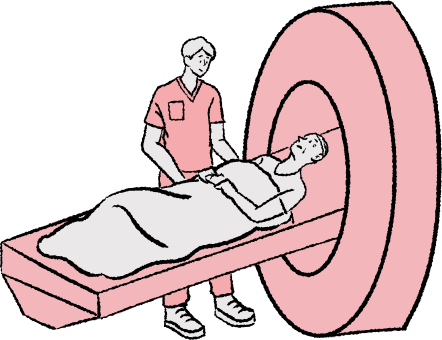
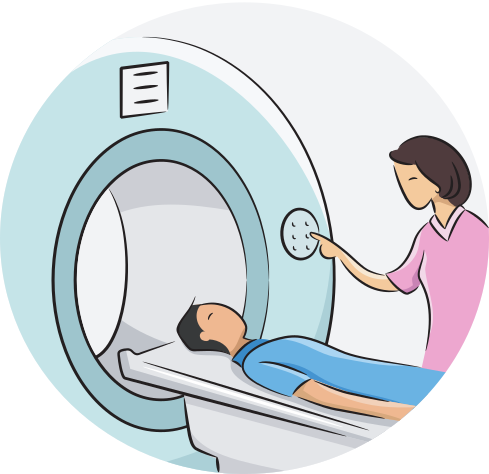
During my medical tests to diagnose my gastroparesis (stomach issues), I did an MRI. It was a very claustrophobic little tube, and the fluid they gave me made my body feel cold and strange. It was helpful to rule out a structure-related issue, but it was a strange experience.
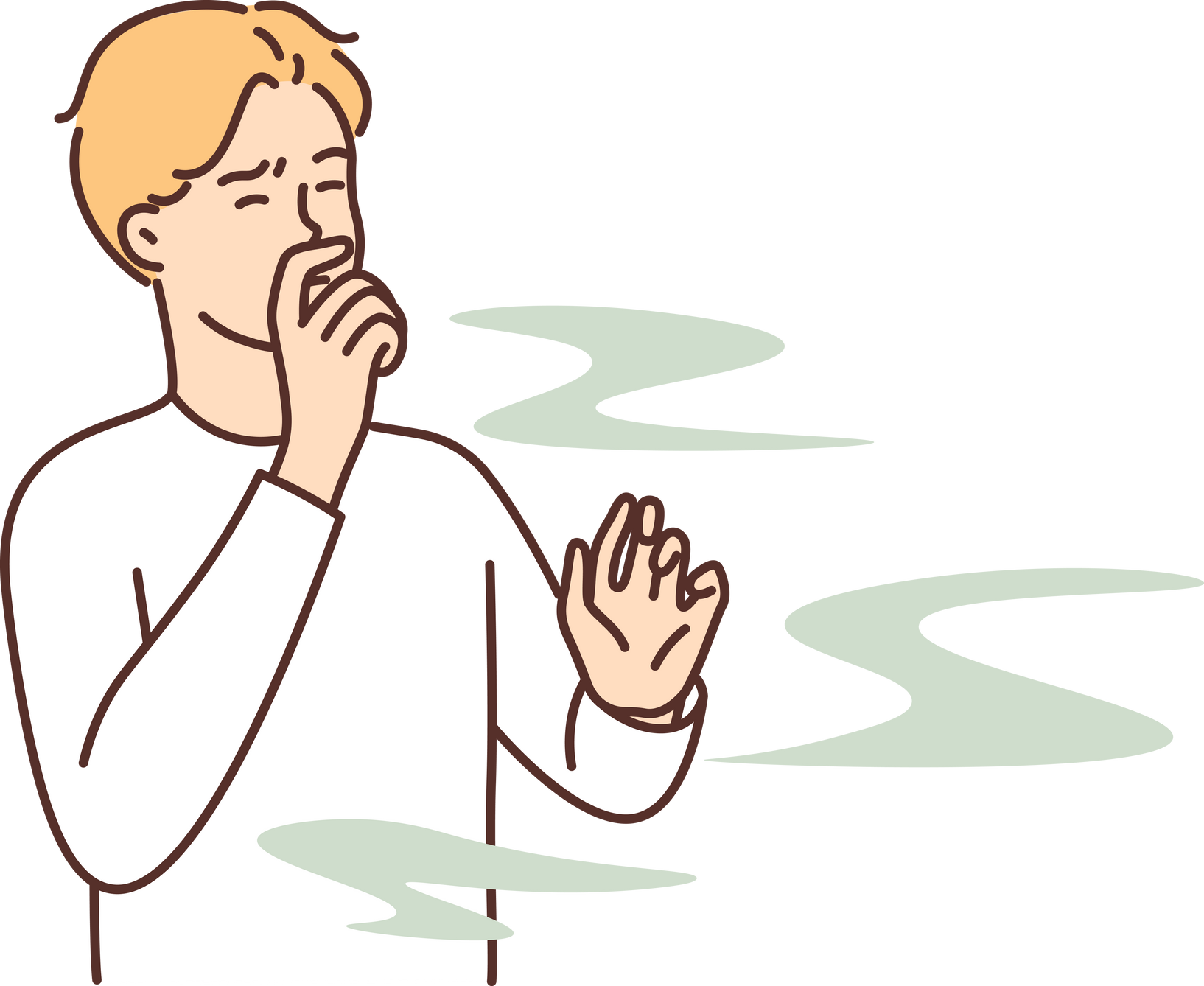
My friend adealide's basement smells horrible! Like, terrible, gagging, cat litter box bad.
But she doesn't even smell it! she's lived there for so long, she's adapted. this is an example of sensory adaptation.
Unit six
Developmental psych
Baby Book
Personal Connections
Babysitting
My Cousins
I have observed several developmental milestones while babysitting. When watching after babies, I've noticed that they can only babbel, not forming full scentences.
Toddlers are a lot more active, moving around and talking, grabbing things and being active.
I have also observed my cousins go through many devleopmental milestones as they grow up.
I have a range of ages of cousins and they all act different and have a varied understanding of the world based on their age. For example, my older cousins are a lot better at articulating their emotions than my younger ones.
Unit seven
Sensation and perception
What is sensation and perception?
Sensation and perception are the study of how we feel and identify stimulius in psychology.

Main Topics
Sensation is our ability to detect information from our environment through our senses. Perception helps us interpret and make sense of this information. Understanding these concepts can enhance our experiences and interactions with the world.
Diving deeper...
Subfeild reasearch
An important subfield of perception is gestalt psychology!

Gestalt Psych is:
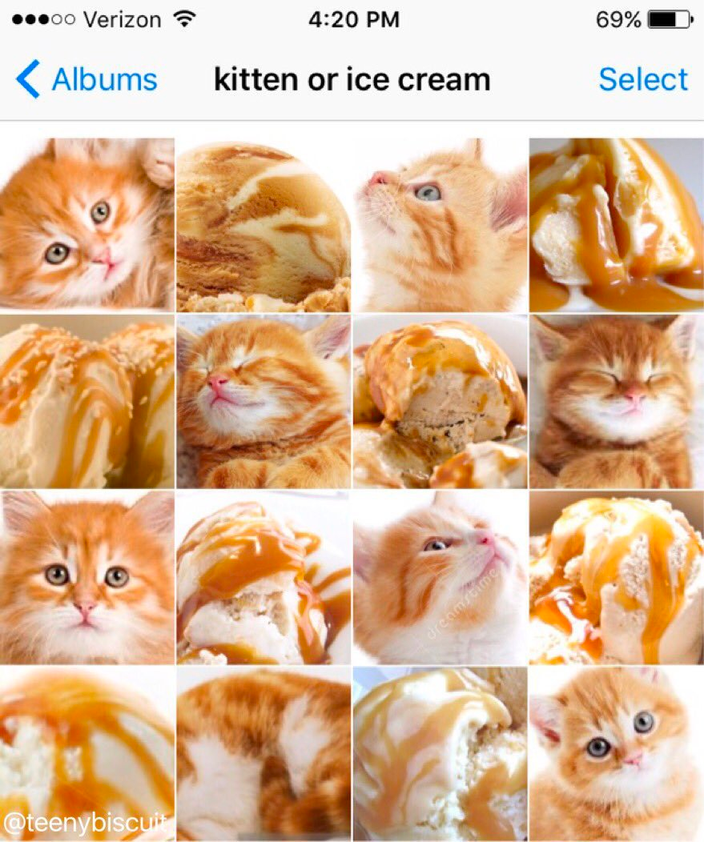
Our brains have a tendency to group individual elements together to form a complete and meaningful whole.
A picture, for instance, may be perceived as a complete scene rather than a mere collection of shapes and colors.
By understanding gestalt psychology, we can gain insight into how we perceive and interpret the world around us
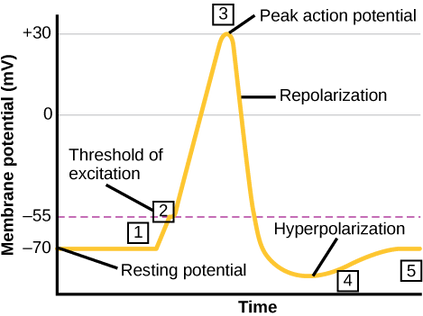
Threshold of Excitation
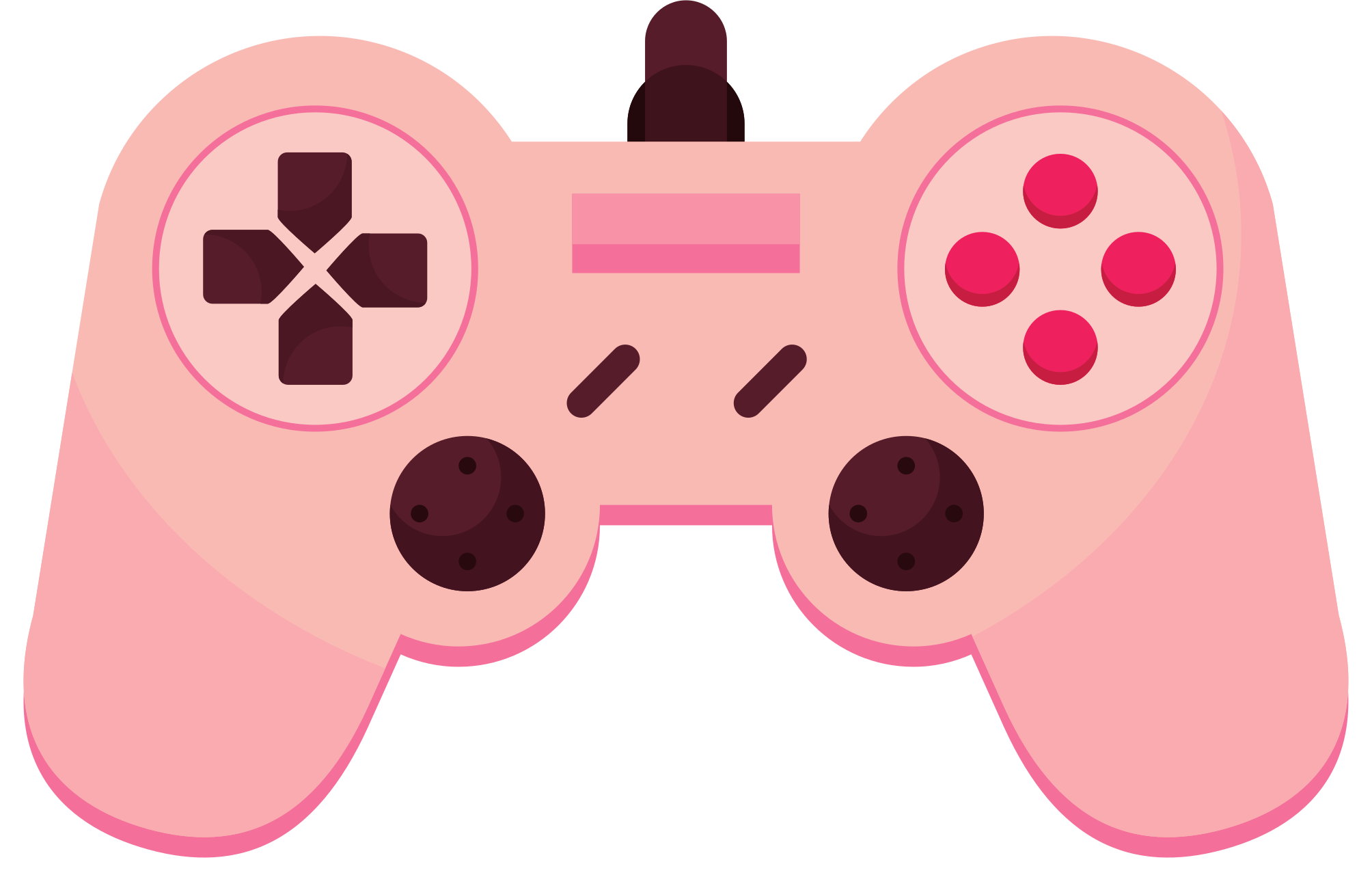
In AP Psychology, the threshold of excitation refers to the minimum level of stimulation needed for a neuron to send a signal to the brain indicating the presence of a stimulus. It's similar to how a video game controller button requires a certain amount of pressure to activate. If a neuron doesn't receive enough stimulation, it won't fire and send a signal to the brain.
Why I chose this:
I chose this because this concept showcases the factors that go into sensation and how that allows us to percive stimulus.
Personal Connections
I've noticed that in my life, it takes a certain amount of stimulus to sense if there is something crawling on me.
For example, I won't notice an ant on my leg until it starts to crawl around, and then it exceeds my threshold of exiciation, and i feel it!
Bugs Crawling
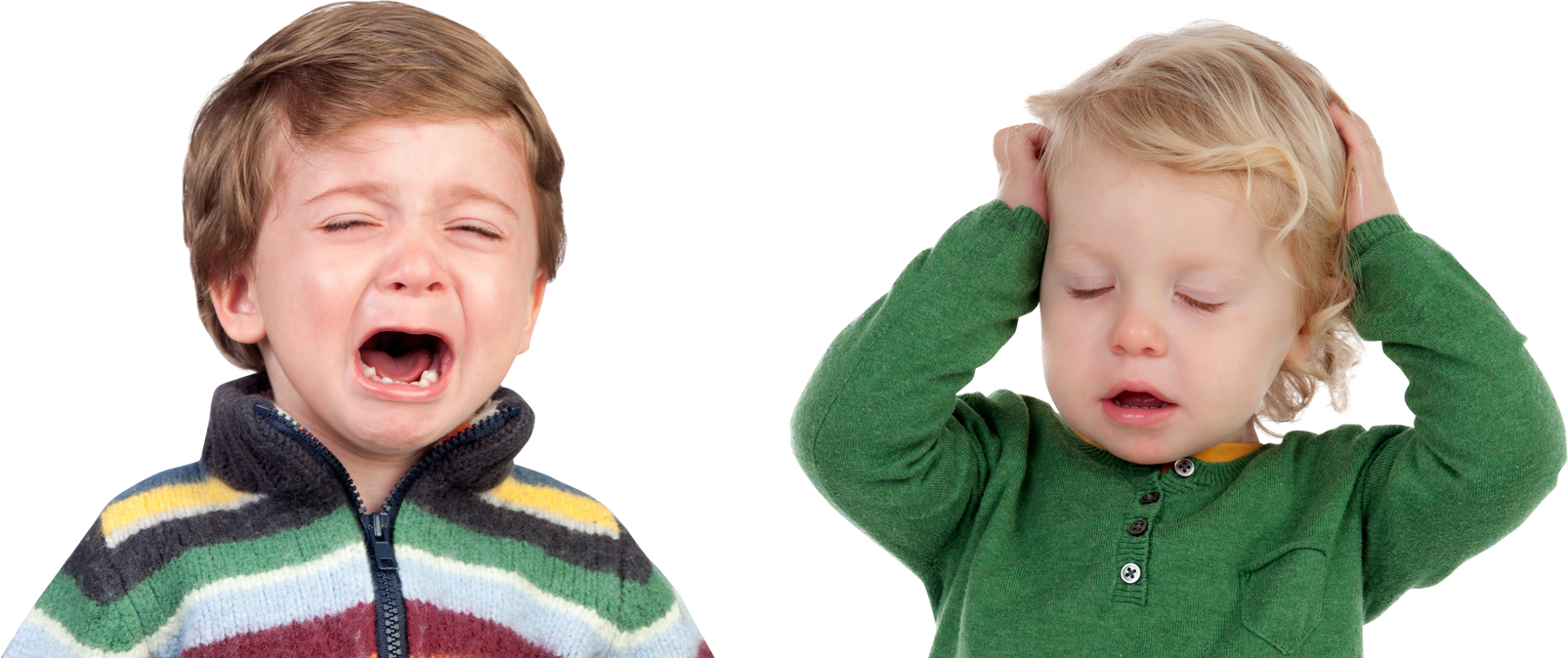
In my life, i've noticed that people percive the same situation differently based on their emotional state and past experiences.
For example, my friend and I might see someone crying and seeming upset and i might perceive it as if they're genuinely upset, while my friend may think it is for attention.
Perspectives on Situations
Unit eight
Motivation, Emotion, and stress
What is motivation emotion and stress in psychology?
Motivation emotion and stress are the study of why you do things and how you handle situations
Main Topics
Motivation emotion and stress can be seen as what makes you do things, how you feel while doing them, and how you handle difficulties that come your way.
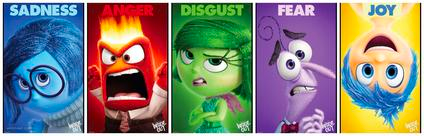
Motivation is the drive to act towards a goal, whether it be to do well on a test or to make a sports team. Emotion is how you feel in response to an event or situation, such as feeling happy after a win, or sad after a loss. Stress refers to the physical and psychological response to events that challenge or threaten your well-being, such as a big test or a conflict with a friend.
Diving deeper...
Subfeild reasearch
An important subfield emotion is developmental psychology
While developmental psychology is also a unit of it's own, it can be categorized a subfield of the emotion section in this unit because of the emotional changes humans go through as they develop.
Researchers in this subfield study the changes in emotions that occur as we age, including how children learn to regulate their emotions and how feelings like happiness and sadness transform over time.
By comprehending how emotions develop from childhood to adulthood, we can gain valuable insights on how to manage our emotions more effectively as we navigate through life's various challenges and experiences.
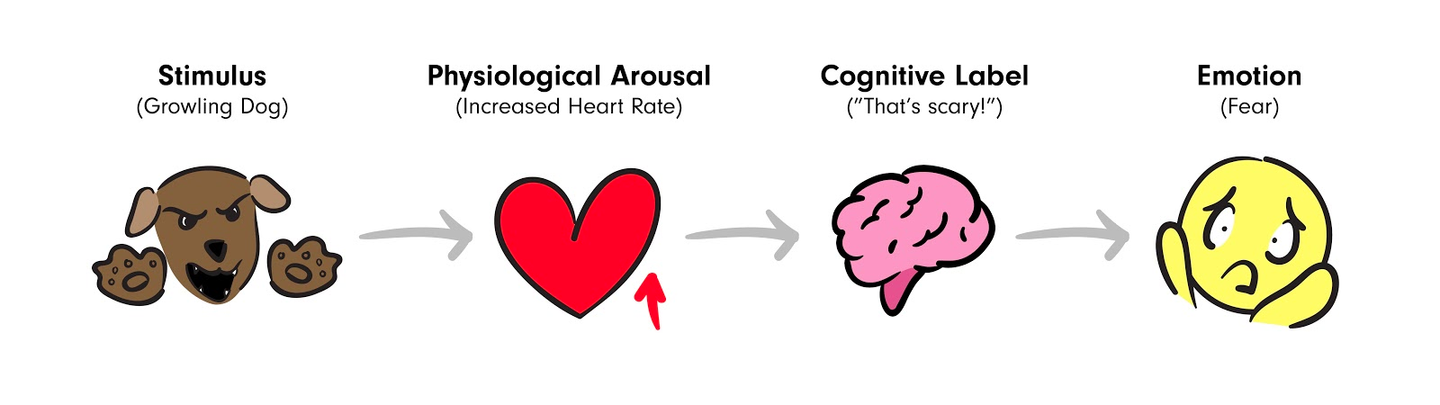
The Schacter two Factor Experiment
In Schachter and Singer's experiment on the two-factor theory of emotion, participants were injected with epinephrine (a hormone that causes stress) and then placed in a room with either a happy or angry person. The goal was to observe how participants interpreted their emotions in the given context.
Why I chose this:
The schater - singer theory is a prevolent perspective of analysis in the motivation, emotion and stress unit, and gives a way to explain why we percive things the way we do based on the emotions we are feeling.

Personal Connections
Love to Hate
Hangry
In my life, I have observed several situations where people's friendship and or love for each other can easily transform into intense dislike with the right factors.
Our brain takes the stimulus of a strong emotion, factors our thoughts, and transforms that liking into disliking.
I have also observed that many people (and animals) transfer their needs not being met (like being hungry) into frustration.
Your emotions are amplified due to your needs increasing.
Me when my friend disrespects queen taylor swift:
Unit nine
Abnormal Psychology
Criminal Minds Project
Personal Connections
Bipolar Family Members
Anxiety
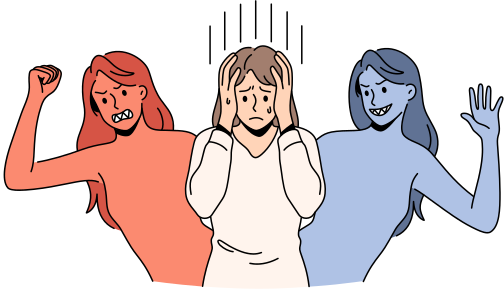
I have observed examples of abnormal psychology in my family members who struggle with bipolar disorder.
These relatives need medication to help regulate their ever-changing emotional states, and utilize coping skills to help them realize when they are struggling with a manic or depressive episode.
As someone who struggles with anxiety, coping skills and medication has been a huge help in managing my stress levels.
I have observed first hand how slowing down, doing affirmations, and being kind to myself can help in conjuction with medicine!
Media Summaries
Ap psych
Media Summary 1
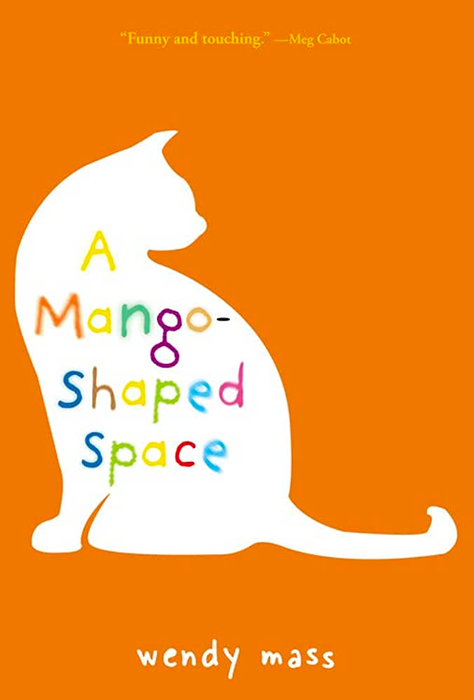
Book: A Mango Shaped Space
"A Mango-Shaped Space" is a young adult novel following a 13 year old girl named Mia that delves into many facets of human perception. In this summary am going to be assesing this book's themes from a humanistic perspective.
Mia Winchell, the protagonist, has synesthesia, a condition where she sees colors and numbers that others cannot perceive when hearing sounds.
This unique perspective poses a challenge for Mia as she struggles to understand her place in the world and come to terms with her differences from others. As the story unfolds, we witness Mia's journey of self-discovery and acceptance, a central theme in humanistic psychology.
Mia's experiences highlight the importance of acknowledging and accepting oneself, even when it means being different from others.
The book offers valuable insights into the complexities of the human experience, emphasizing the importance of empathy and understanding in building meaningful relationships with others.
Through Mia's struggles and triumphs, we learn about the power of human connection and how it can help us navigate through life's challenges.
Media Summary 2
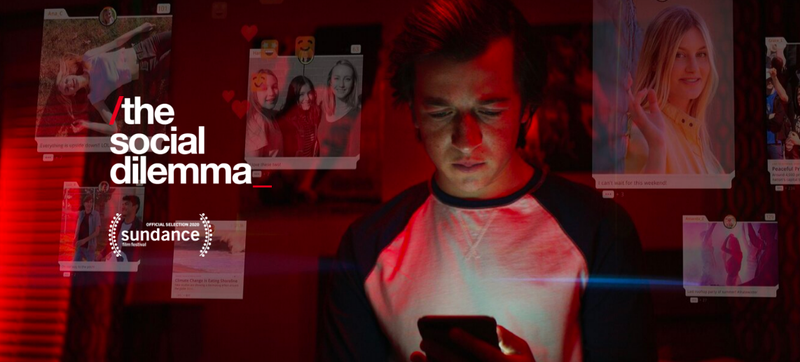
Documentary: The Social Dilemma on Netflix
The popular Netflix documentary "Social Dilemma" analyzes the impact of social media on our mental health and behavior.
The film explains how social media companies use algorithms to keep us engaged with their platforms by showing us content that lines up with our common interests and beliefs. Social Media uses user profiles to figure out our intrests, and cater content to us that will keep us engaged.
This can create echo chambers and confirmation bias, (concepts we learned in AP psych) leading us to consume only information that confirms our views.
Younger users are particularly vulnerable to depression, anxiety, and self-esteem issues caused by social media use. The documentary also explores the concept of "surveillance capitalism," highlighting how social media companies collect vast amounts of data about our behavior and use it to influence our actions and thoughts. This raises ethical questions about the responsibility of social media companies to protect their users' privacy and well-being.
Through a psychological lens, "Social Dilemma" emphasizes the importance of critical thinking and awareness of our behavior when using social media. The film encourages viewers to be more intentional and mindful in their use of these powerful tools and raises important questions about the impact of technology on our mental health and well-being.